
respire, resist, rosemary
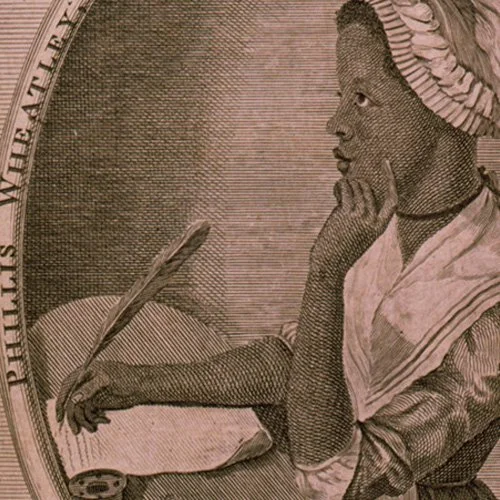
“Despite the distance now between my mother and I and our mothers before us, we all share this particular sorrow in a manner near identical.”
Into this world I was delivered undignified: an entry to the world painful to the vessel that would be my mother. We cry when we’re born because it is how we learn to breathe, and death is defined as the moment we stop doing so. On March 17th, 2003, in a University of Washington hospital room I began to breathe. I was a silent infant entering the world; my vessel: lonely, uncertain, wounded, discouraged, and exhausted. To arrive without crying is unusual, but I looked alive enough, so they let us go. That day marked the beginning of something—the relationship that is and will forever be my greatest heartbreak: the turbulent, mangled one with my mother.
I would grow to love her.
It was probably cloudy that Monday in Seattle, as it often was at that time of year on the cusp of spring, hovering just beyond winter. The sky tends to breathe like a scene from the Twilight book series, a soft, moody gray (as it does for most months here at home). I’ve been back to that hospital since—the rooms smell like blue gloves, ethanol, and boredom. It’s empty and white; anxious. Five weeks before she expected, I arrived: fervent yet quiet. The male involved at my conception might have been present as well; not sure, haven’t prodded. My mother tends to curl the corners of her mouth and eyes, then huff and puff when asked about him. She was very beautiful, my mother, and it scared (scares) me when her pretty, light brown face framed by dreadlocks darkened like that. What I can only describe as misery washed over her when I asked why the other kids had fathers and I didn’t. She’d turn away from me in the kitchen as the west-facing window cast a melancholy blue-ish shadow across her now slightly hunched stature. My hands hung heavy by my sides, her head bowed over the stove. The long silence made me feel it was wrong to wonder about such things, about my father. I learned very young not to ask. Until elementary school, I only knew a few things with one fact that prevailed: he was in prison and that is where people go when they do dark, sinful things.
A couple of weeks after he abandoned us in 2005, I asked her, “Where’s my dad? Where’s my dad with the brown pants?” (he was wearing brown pants when he hugged me goodbye). And after a couple of years, “Put on makeup, go out with your friends, and find me another-one dad!” I was small, not understanding fully yet already feeling the ache of loss. This made me feel that at some point I knew him.
2006 or 2007, 8514 B Aurora Ave. N. My mother didn’t tend to many things during my childhood so when she did, I took a particular interest in her business. At our home at Stone Avenue N and NW 85th Street, there were rosemary bushes lining the maple trees that bordered our thin street in North Seattle, and she adored them (Aurora Ave is wedged between the rich part of north Seattle and the poorer part. We lived on the latter side). When needed, I would summon the enthusiasm of a battle-hardened hero for Captain Mommy. Jumping with joy and hopping onto my pink and white flower bike with training wheels, I would grip the rough handlebars and pedal the twenty-some feet up the block. The best rosemary bush had been identified earlier, pointed out to me with a whispered secret from my mother’s lips, so high up I had to stretch. Her perfume—Flower Bomb—was so sweet, and it filled my little head with daydreams. She was a kind, funny mom, dressed in a soft, green, two-piece Juicy-Couture-type jogging suit from the early 2000s. I listened carefully so I could do a good job.
Collecting the rosemary was an essential birthright upon which even my 12-year-old sister had not been bestowed, so I did it with honor. As instructed, I’d check if I couldn’t see the neighbors on the right, left, and in front (if I can’t see you, you can’t see me). Area secured? Okay, next: get off my bike, go to the rosemary bush, and pluck the largest ones right from where the sprig meets the stem. Pick a lot, because all three of us are having rosemary chicken for dinner. If the neighbors come out and ask why I’m taking their herbs, tell them I am just a kid, and I thought it smelled nice and looked beautiful.
They wouldn’t question me—my innocence was a shield. I’d smile, cock my head sympathetically, and continue on my way. Let them find peace in my sweetness before proceeding with their evening. Get back on my bike and ride straight home. And above all: don’t talk to any men, especially if they say “I know your mommy.” My mommy doesn’t know any men. Also don’t touch my curls because they are still wet with leave-in conditioner and jojoba oil and a girl should never mess up her hair. To be beautiful, innocuous, and self-serving were attributes of equal and most importance to my mother, second only to being obeyed. She reminds me of a Venus flytrap with a super-ego.
I tell this story to accentuate how simple and innocent a black girl’s experiences can seem to the naked eye when in reality, they’re overlayed like a leek with dangerous self-mantras and flawed teachings that are harmful to her. All children are exposed to subliminal messages from their main caregivers (or lack thereof). I believe that these messages shape a large part of who we are—mannerisms, opinions, morality, empathy, sense of self, etc. It is possible that this instance of merrily picking rosemary might not stand out if it were a memory from the life of a person who grew up in a non-abusive household. In my life, though, there are so many times after this moment where I was asked or expected to behave in a way dissimilar to how I would naturally. There’s a bit of a rush that comes with your parent giving permission to lie a bit, steal a bit; especially for me, as my mother made it clear a liar is the worst thing that you can be. I've come to feel as though she found power in taking what she wanted, as long as she deemed it unobjectionable (rather than corrupt). Sneaking some rosemary from the neighbor’s front yard probably isn’t the butterfly effect that caused my life to spiral down like the wind in the eye of a hurricane that it has at times, I understand that. Yet, there’s something remarkable about how that rippled through my life, mirroring itself over and over again.
I am currently attempting to break habits formed from childhood that hinder me from growing up. I have been brave enough to discover some life skills that weren't modeled to me during childhood, like accountability, and how it is a vital organ in the body of moving forward from doing the wrong thing.
For example, to steal, lie, harm, judge, or hate; I was not properly set up for a world where everyone makes mistakes, so when I entered the adult world after going no contact with my mother, my life was at an extreme risk. When you’re a young black woman, to be perceived as unassuming and harmless is to have a target on your back. To be solipsistic is frowned upon and unladylike. Charm and elegance attract insidious men with evil eyes. Perhaps the only thing I learned that helped me survive after I took the plunge into the real world from an abusive household was how to obey, and I despise that. My freedom is the triumph I have fought hardest for. Giving it up to survive in various circumstances throughout my life has disheartened me.
The times that I have lost my breath and crumbled to my knees with grief and guttural sobs were when I had my right to choose ripped violently away from me. It does not feel like breathing but rather death. I have died many times.
Despite the distance now between my mother and I and our mothers before us, we all share this particular sorrow in a manner near identical.
